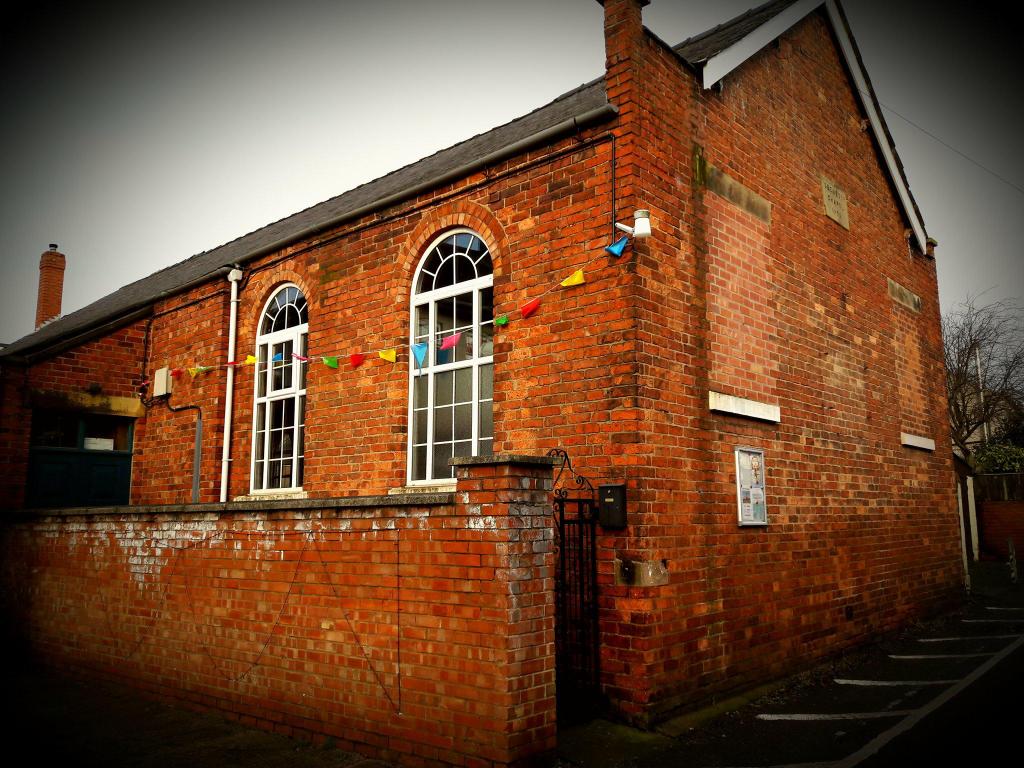
Happy new year to all! I hope everyone had a wonderful and festive time over the Christmas break and now feel rejuvenated for the year ahead. Personally I find New years day to be a wondrous time. The year has just begun and is ripe with possibility. I wonder how many people reading this Blog have made a New years resolution? It is after all the thing we are encouraged to do. We are to welcome in the New year and then give ourselves a goal to strive towards. For many this is having a healthier lifestyle of exercising more, for others it is the goal of not drinking as much. I don’t know about everyone else but I always feel like this all goes the same way. People make these great promises to themselves and then by about half way through January they have all but given up on them. This is proven to us if we look at gym membership numbers, apparently gym membership jumps 40% between December and January and then quickly dies down again. It is partly because of this that I do not tend to make a New year’s resolution for myself, however the real reason is because I don’t understand why we can only do this once a year. If we see that we should be doing something different, or should be implementing something new into our lives, then we should not need the excuse of the New year but rather resolve to implement them now. New year resolutions aside, Denby bottles Methodist Church are rightly re-accessing their vision for the Church and the plans for the year ahead. All Churches should ensure that they are regularly meeting together to go over the vision they feel God has for them and to try and put things in place to make that happen. But how do we make sure that we do not fall into the trap of making these resolutions and then simply allowing them to dissolve and be forgotten about? How do we battle the irrefutable decline in the Church in this post modern western world? More importantly are there obvious things that we should be striving to do this year that we perhaps aren’t already?I was honored to be invited to Nottingham road Methodist Church to be interviewed about my role and how I engage with people in regards to my faith. The questions that were posed to me really got me thinking. A lot of the questions were ones I seem to be asked a lot by people when they hear about my role, ‘How do we grow as a Church?’ ‘How do we get more young people?’ ‘How can we do what your Church is doing?’ These are all good questions and there is nothing wrong with going to different Churches and asking them how they got to be how they are. It does strike me however that a lot of Christians and Churches really struggle to know what they can do to be more successful. I am not a leading authority on this and will be nowhere near as helpful as someone like Chris Duffet, Todd White and Ashley Cooper (If any of those names are new to you, look them up!), but since I started my job as Pioneer worker I have been looking directly at how I can make Denby Bottles more successful, both spiritually and in numbers. So I am going to write a bit about some of the things any Church can do to increase their identity in their local community and to engage with people on a spiritual level. I will also talk a bit about how you can ensure that you do not fall into the trap of implementing changes that just fizzle out after a few months, much like New years resolutions.
How to become a growing Church
The obvious answer to this question is prayer. No matter what you read within this blog that strikes you as a good idea, what truly matters is that you are rooted in prayer as a Church. Now this means more than simply saying the Lord’s prayer before a Church meeting and wrapping up a get together with a quick round up prayer. This means taking everything to God and allowing him space to actually speak to you. I have encountered a great many people who pray but do not allow God time to speak to them, this was something I myself used to be very guilty of. I used to pray about all the things that were on my mind and then become baffled when I did not hear anything in response. The equivalent is having a conversation with someone and asking their opinion on something and then just speaking over them, or worse still just walking away from the conversation altogether. Once you have taken everything to God in prayer and asked for his guidance, then allow time to just sit in silence and to meditate in prayer to try and listen for God’s word. Place a Bible in front of you so that if you feel drawn to a specific book or verse you can have quick access. This is the first step that every Christian should undertake in their day, in their worship and in their meetings. Recently The Discipleship group for Denby Methodist met up to discuss the current state the group was in and what they believed should change as we move on. It was the first meeting in a very long time that sought to reassess what they felt they should be doing. Before the meeting took place I got into contact with everyone involved with the group and asked them what their thoughts and opinions were regarding this specific group. After they told me I would encourage them to seek God’s guidance in this time and to give these issues over to Him before the meeting. We got to the meeting and I began by reading out all the comments that I had gathered (anonymously). People seemed really quite shocked that the same things were being said in all the comments. People seemed quite worried at the prospect of others knowing that they had raised certain points, so it was nice to see them realise that they should not be worried about raising concerns because chances are if you have those concerns then someone else does too. One of the biggest things we spoke about was how we wanted to put more of an emphasis on prayer. We wanted to truly allocate time to prayer and make a note of what was prayed for, this way we could look back to it to see how God responds. I now have no doubt that this group will now begin to grow as we are now looking more specifically to God in prayer. Sadly the Church seems to be stuck in the idea that God does not answer prayer and will not speak to us. If we as Christians don’t believe God talks to us then how are we ever to expect others outside of the Church to believe in God? In James 1:6 it says ‘But let him ask in faith, with no doubting.’ If we believe in God then we must believe in prayer. The other day I was driving to Church and I felt God really place on my heart that someone needed prayer but was too afraid to ask for it. I nearly did nothing about it because I began to rationalise the experience and assume I was just being silly. I arrived at Church and told the minister who encouraged me to announce this during the service and encourage people to come and talk to me if they felt that I was referring to them. At the end of the service no one came to me to tell me that they were the one that God had told me about who needed prayer, so i assumed that I must have got it wrong. Thankfully someone eventually did come up to me with tears in their eyes admitting that they were worried about something and did not feel like they could ask anyone for prayer. Me standing up in the service and saying what God had placed on my heart encouraged this individual to come to me to seek prayer. God had answered this person’s prayer for help by laying that information on my heart while driving to Church. This event shocked me, the fact that I heard something from God and it was true! But why should that shock me? Do I not believe in what the Bible says? Do I not believe that God speaks to us? As a Church we should be keen to hear what God is saying and taking all things to Him in prayer with the knowledge that He will answer. Prayer and listening to God is the most important thing for any Church and should be a given.
This then raises the second thing that individuals should take on if they want to see their Church grow, they should be bold, brave and not afraid to challenge the norm. One of the most damaging things a Church can do is remain silent when something is not being done properly. To offer an example, I used to go to a fantastic Salvation Army Church, the congregation was lovely, the building was lovely and they had all the potential in the world. The one real issue they had was that no one seemed to be enjoying the sermons. I thought I was the only one that felt this way and so I remained silent. After I left the Church I found out that the majority of that congregation felt the same. Week in and week out people were not learning anything, or even engaging in the sermons because it was not being done in a way that grabs them. Now because no one told the preacher this, she carried on doing her sermons the way she always did and people began to leave the Church. This is not the preachers fault, but the fault of everyone in the congregation. As a lay preacher I know that my job is to try and speak what God puts on my heart to a Church in the best way that I can. I am also aware that I am still learning. I never walk away from any of my preaches and think, “wow that was absolutely perfect.” Instead I notice every potential flaw and focus on how it could be improved. I absolutely love it when people come up to me and tell me their honest and truthful thoughts on my preach. I love it when people will challenge me on what I have said. This is not something that should change just because you have finished your training, because we as preachers are all still on a steep learning curve. But if every congregation comes up to me and says, “great sermon today, I really enjoyed it.” Then I am going to take that on board and try to preach that way again, because in my mind, people connect with it. If they did not enjoy my sermon then they have now just doomed themselves to many more sermons just like it. If they come to me and tell me they could not quite get into what I was saying, or could not follow it in some way then I can take that on board in the future. People seem to confuse the statement “what would Jesus do” to mean that we cannot challenge anyone or give them room to improve, the exact same must be said for the Church. If you feel that something is not right or that there is something that people seem put off by, then take that concern to God in prayer, and if you feel led, bring it up to your Church. Chances are you are not the only one to have this concern or thought and it may be by you speaking up that ensures that your Church members stay with you instead of leaving.
My third bit of advice is to simply know your surroundings. A Church historically speaking was a central hub for the community, sadly by in large this is no longer the case. The Church is not the central hub for the community, the sad fact is that due to a rise in technology and home entertainment, very few places may be considered a hub for the community. From what I can see the only place in most towns that comes close to being a hub for the community is the pub. Now if this is the case then the obvious place for the Church to be involved is the pub. I know that this may be a controversial idea, but it stands to reason. We cannot live our lives in the Church expecting people to come to us and ask us those great questions about life, God, the universe and everything. The Church whether we like it or not can be seen as quite a daunting place to walk into especially if you have no experience of Church. So even if someone summons the courage to come to Church, the likelihood of them feeling comfortable enough to actually talk to us about faith is also quite low. If we flip that on its head and we go into the pubs, we are all of a sudden on their turf, they have home field advantage. I used to work in a pub as a bartender and I would always wear my big cross necklace at work, the conversations I had as a result were absolutely incredible. Every night I would have someone asking me about my beliefs, challenging my theology, questioning my motives and even on occasion asking for prayer! This seems contrary to what we are told today about people’s view on religion and faith. The British social attitudes survey shows that 72% of people have no religion, the Methodist Church now has the lowest number of members it has ever had since the 1790’s. Many of us have taken this to mean that this is because people are no longer interested in God and the Christian faith, this is simply not true. People still have the same burning questions as we do in the Church and many of them still yearn for the peace and sense of love that comes from a faith in God. I have spoken to a number of people who have told me that they wish they had the faith that I did. People have not stopped having questions about God, we have just stopped being an accessible institution that can answer those questions. Something as simple as going into a pub, or anywhere that is the hub of the community for that matter, gives people the opportunity to ask us those questions in a place where they feel comfortable and like they will not be judged or laughed at. The pub is just one example of this, another would be local schools especially primary schools. Any R.E. teacher will tell you that they have a lot of material to teach in a very short space of time, and there subject material is not limited to the Christian faith but to all of the six major world faiths. This is an impossible task, and speaking as one who has been in these classes, the young people are not being given an adequate amount of information on the Christian faith. It is because of this that the Church should always be striving to help their local schools in any way that they can. This does not mean going in and insisting on doing a faith fueled assembly or lesson, it simply means going and supporting them in any way they feel we could be of service. I am currently journeying around all the local primary schools in Denby to offer my services and when I speak to the head teacher to introduce myself, it is clear they are trying to figure out what my goal is in all this. It baffles them to think that I just want to help, and for free! This in itself tends to inspire a great deal of conversations about why I do what I do and what my faith actually is. The best example of this is Kilburn junior school, what started as me just going in to see how I could help has evolved in me helping in R.E lessons to give a more Christian view, leading faith based assemblies, and even being asked for prayer. It is through this connection with the school that I am able to invite young people to Denby’s services each week and even talk to the staff about joining some of our groups aimed for adults, like Bible studies and our tough questions group. This was all born out of a place of just wanting to help and yet it has evolved into a very prominent mission field where I can teach children about the Christian faith, pray with the staff and most importantly change the typical image each of them had of Church and what a Christian is. It is for this reason that wherever I go I get involved with the local schools.
My final point for how to become a growing Church is on personal discipleship, that you as an individual must be constantly studying the Bible and your faith. I have already mentioned about prayer, but we must always be looking to deepen our understanding of God and his word otherwise we will not be equipped for when people ask us about our faith. I was not a Christian till I was seventeen and part of the reason for that was because I did not believe that anyone could actually defend a faith in God. Everyone I had come into contact with who claimed to be a Christian did not seem to be able to say why they believed what they believed in a believable way. It was only when I saw someone actually defend his faith that I began to take notice. It was such a revelation to me that someone could actually defend a faith in God. I know plenty of Christians who get irritated when people don’t believe in God just because they could not be bothered to look into it. Well I would say that they are just as bad as those who believe but don’t know why they do. If something comes up that challenges your faith or confuses you, then do not shy away from it but rather confront it. Seek answers to that question, through scripture and through modern thought. I did my dissertation on the question of why there is evil in the world because at the time I felt that this was a real challenge to my faith. Turning on the news and seeing the horror in the world, I was either going to question my faith every time I saw the news or I was going to study it and learn more about it. It is the same today, I am aware that I am weakest in my understanding of God from a scientific standpoint, so I am reading a book by John Lennox that talks about that very matter. This then helps me when I go out and talk to people about God. They can throw all these difficult questions at me about why they feel God could not exist and I can show them that there is more to it. Don’t get me wrong, faith, prayer and the spirit are far more important when coming to talk to someone about your faith and Jesus but for that sake of your own faith and discipleship it is worth standing up to these tough questions and learning more about them instead of hiding from them. We should not believe that we must avoid these questions from fear of the idea that there will be no defense, but rather we should have faith that if God is real and who we say He is, then there must be evidence, and believe me, there is!
How to ensure you dont just fizzle out
Everything I have just said is useless if you allow all of it to fizzle out within a few weeks, so I am going to suggest a few ways in which you can ensure that this does not happen. At Denby we have decided to make vision meetings a regular thing in the Church. This means we can constantly reassess where we are and what we are doing whilst also giving people an opportunity to share what God is saying to them about the Church. I would advise that every Church make time for a vision meeting at least twice a year, if not more. It may sound quite a simple and generic thing to do, but, providing you as a Church taking things to God in prayer, listening to His response, Studying His word and challenging one another than this should never become generic. Your meetings should be filled with people speaking of what God has said to them and what is on their hearts and opening that up to the Church to think on. It should be a time to allow members of the Church to voice anything they feel is lacking without fear of judgement. By doing this you can reflect on what has happened and what your plan is moving forward. What has yielded fruit and what has not? What can be done with those things now?
My final point is something that gripes on me quite a bit and that is that helping your Church, evangelising and speaking up is not just for the Church leaders and the young people. It is for YOU to do. Too often I have heard people tell me that they are too old or not in a position to do anything. There is no grey in this matter, there is no maybe you’re right, I am sorry but you are just wrong. Everybody should be chipping in and doing their bit to spread the word of God to everyone in the world. In Matthew 28:19 it says ‘go therefore and make disciples of all the nations.’ It does not specify age or title, after this verse is not a paragraph of how you may be exempt from this task. God does not write letters to the Minister like a parent to a P.E. teacher saying, ‘please forgive my child, but they do not have the equipment to join in today.’ It does not happen, God has issued the same command to all of us and because of that we are all responsible for the Church and must all join in to help it grow and flourish. To put this into further context it says in James 2:26, ‘faith apart from works is dead.’ That is a bold statement, for someone to claim that our faith is dead. I imagine that if a minister were to go up to a member of their congregation and tell them that their faith is dead that complaints would be made and yet this is exactly what the Bible tells us. If you have faith but do not act upon it then your faith is dead.
Personal conclusions
Once again I want to reiterate that I am not a leading authority on how to become a growing Church and I have listed a few ideas out of hundreds. But this is simply a cry out to the Church to think more in depthly about what we are doing and what we must do to grow. We must pray while expecting a response, we must look at how we can engage with our local community. Once we start to execute these things we can begin to create growing leaders within our growing Churches, discipling people so that they may then go out and do what we have done and are doing. If you have read anything in this blog that you feel your Church is not doing then I advise you to pray on that matter and ask the question of ‘if not, then why not?’

 Where There’s Blayze
Leave a reply to Airbournemillennial Cancel reply